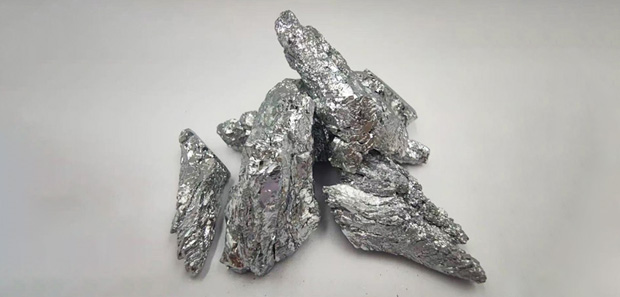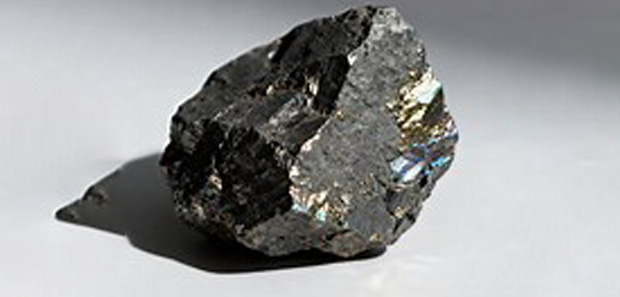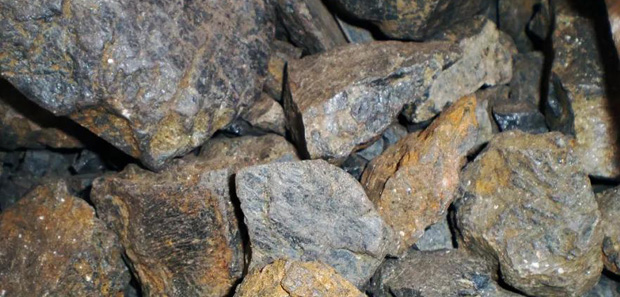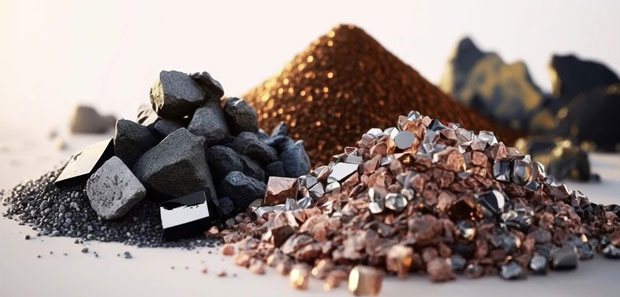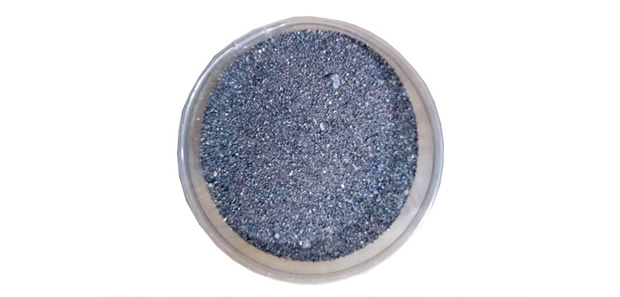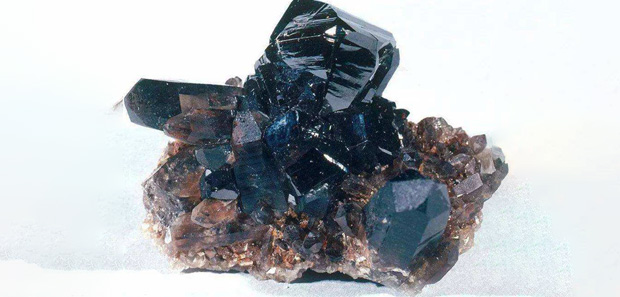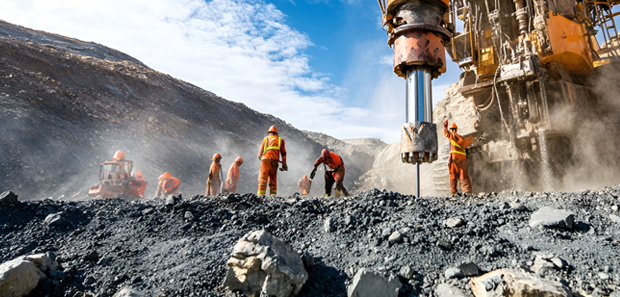
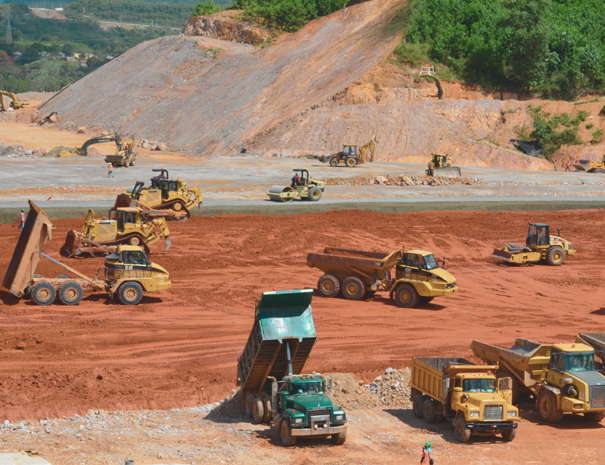
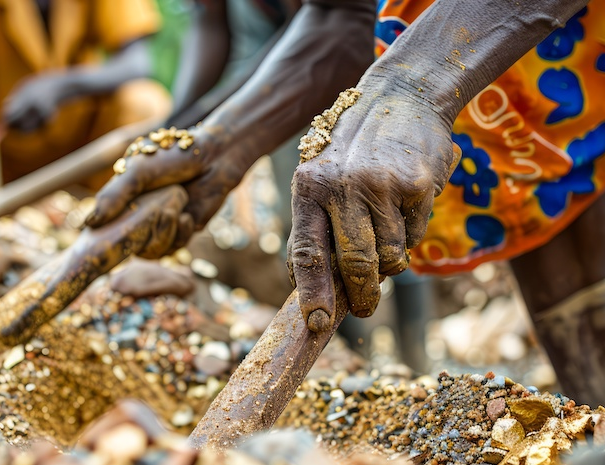
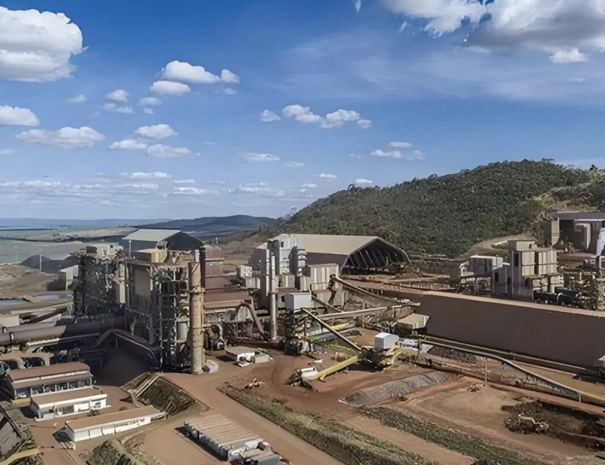
The Democratic Republic of Congo (DRC) holds antimony ore reserves of approximately 200,000 tonnes, with an average grade of 8.5%. Some ore deposits exhibit stibnite content ranging from 60% to 66%. Through mineral processing, a concentrate with over 65% antimony content and a recovery rate exceeding 85% can be obtained, making it suitable for both metal extraction and chemical production.
Specification Item | Low-Lead & Arsenic Sulfide Antimony Ore (Grade A) | Low-Lead & Arsenic Sulfide Antimony Ore (Grade B) |
Antimony (Sb) Content | 45-65% min | 25-45% min |
Arsenic (As) | ≤ 0.02% | ≤ 0.05% |
Lead (Pb) | ≤ 0.05% | ≤ 0.08% |
Iron (Fe) | ≤ 3% | ≤ 5% |
Sulfur (S) | ≤ 20% | ≤ 23% |
Particle Size | 3mm max (90%) | 5mm max (85%) |
Moisture | - | - |
Radioactivity | - | - |
Note: "min" indicates the minimum acceptable value; "max" indicates the maximum allowable value. The percentages in parentheses under particle size refer to the proportion of material that must meet the specified size limit.
The Democratic Republic of Congo (DRC) holds antimony ore reserves of approximately 200,000 tonnes, with an average grade of 8.5%. Some ore deposits exhibit stibnite content ranging from 60% to 66%. Through mineral processing, a concentrate with over 65% antimony content and a recovery rate exceeding 85% can be obtained, making it suitable for both metal extraction and chemical production.